// games

Written in Zia.
Running on Zanna.

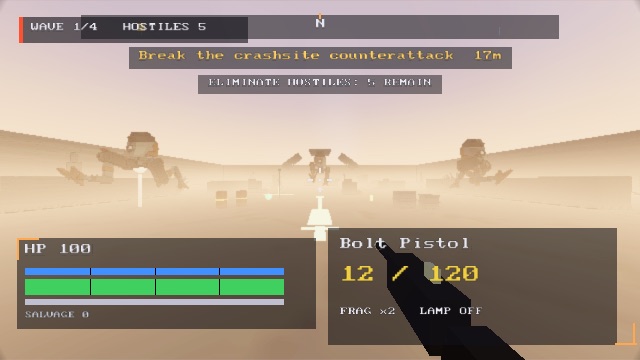
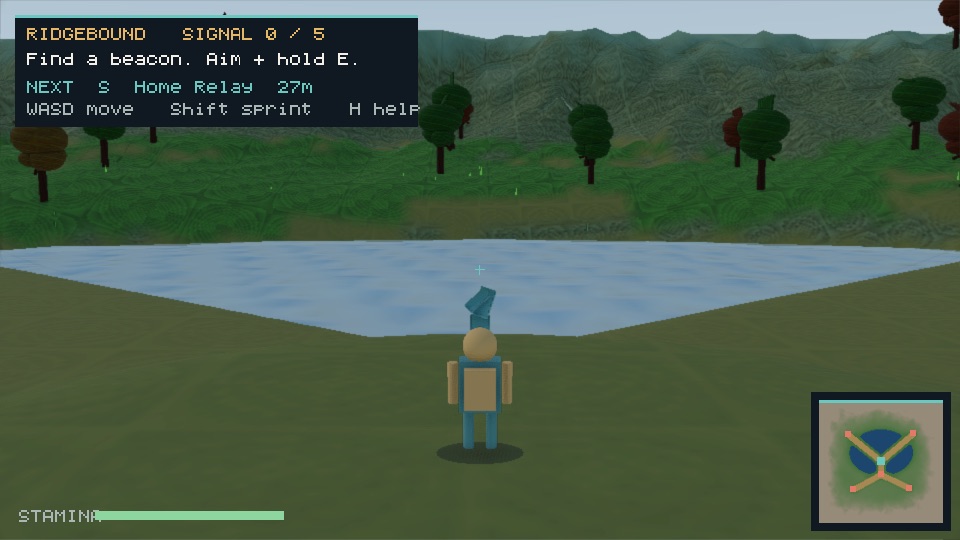
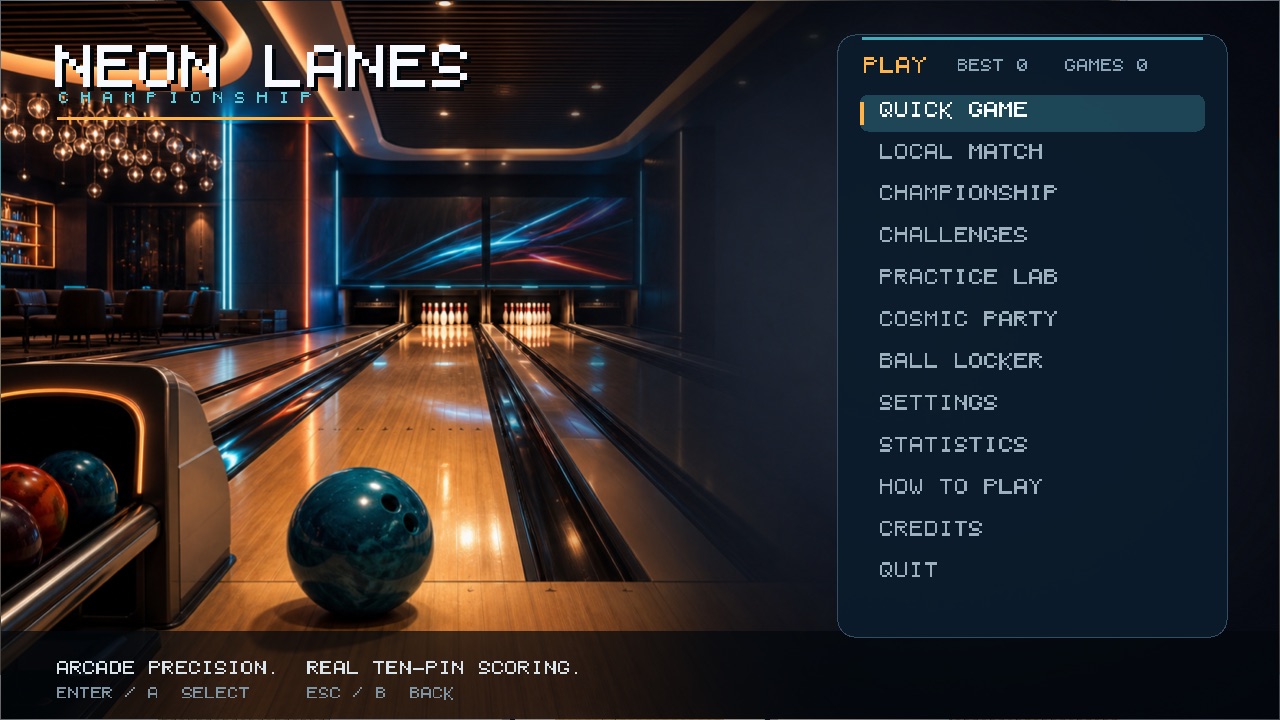
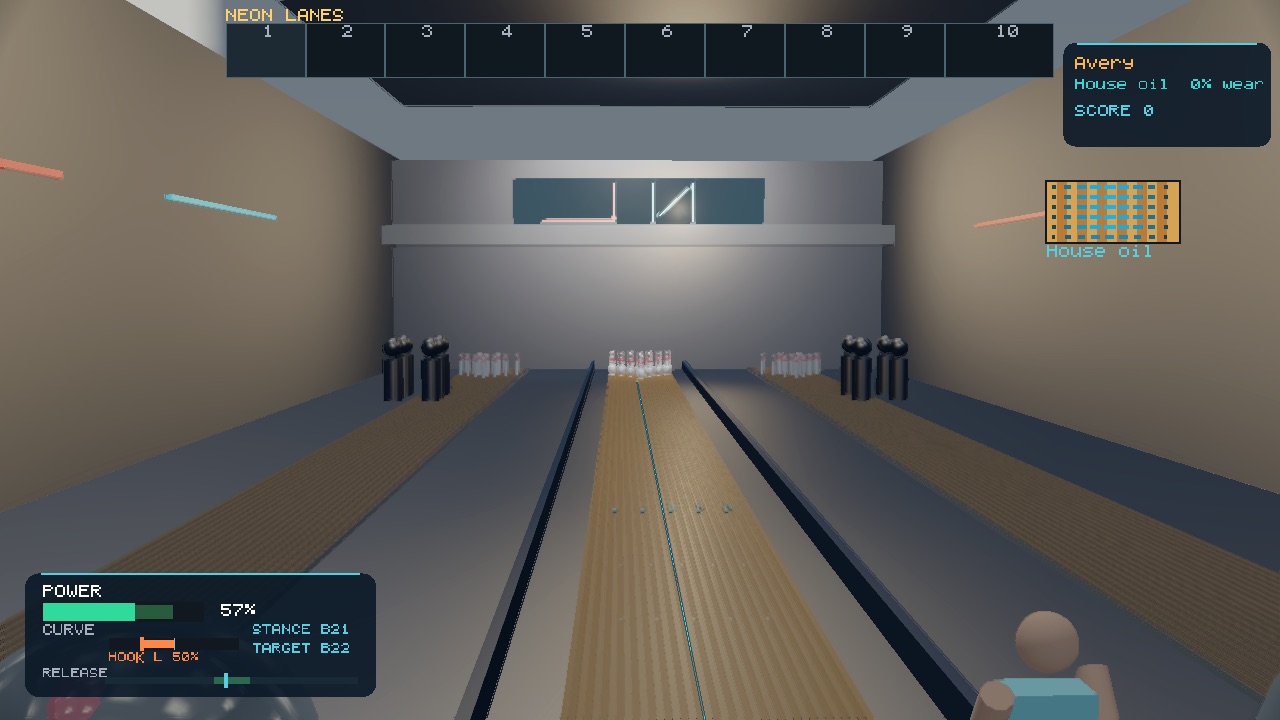
These are the programs that keep the platform honest. Every one is written in Zia, compiled by Zanna’s own compiler, and drawn by Zanna’s own renderer with no engine, no middleware and no graphics library underneath. When a feature lands in the runtime, one of these is what proves it works.

// the rest

Everything else in the tree

Smaller, older, or deliberately simple. The arcade set exists because recreating a known game is an unforgiving test: everyone can tell when the ghosts move wrong. The ones marked BASIC are written in Zanna’s other language and run on exactly the same runtime.

The larger games live in github.com/zannagames/zannademos, a repository of their own, so cloning the compiler does not drag a games library along with it. The small ones stay in examples/ in the main repository, where they double as tutorials.

// not games

Things that are not games at all

The runtime is not a game library with a compiler attached — it is a general one. These exist to keep that true.

Web server

A threaded HTTP/1.1 server with a router, a worker pool, configurable logging and static file serving. Written in Zia against Zanna.Network, with no HTTP library underneath it.

ZannaSQL

A relational database: a SQL parser, a query planner and a storage engine, in Zia. The reason the collection types and the file layer are as strict as they are.

Telnet client

Protocol negotiation and terminal emulation over a raw socket. Small, old, and a good test of the network stack’s edges.

VARC

An archiver: compression, extraction and integrity checks over Zanna’s own compression and archive code.

// about these images

None of these are mockups

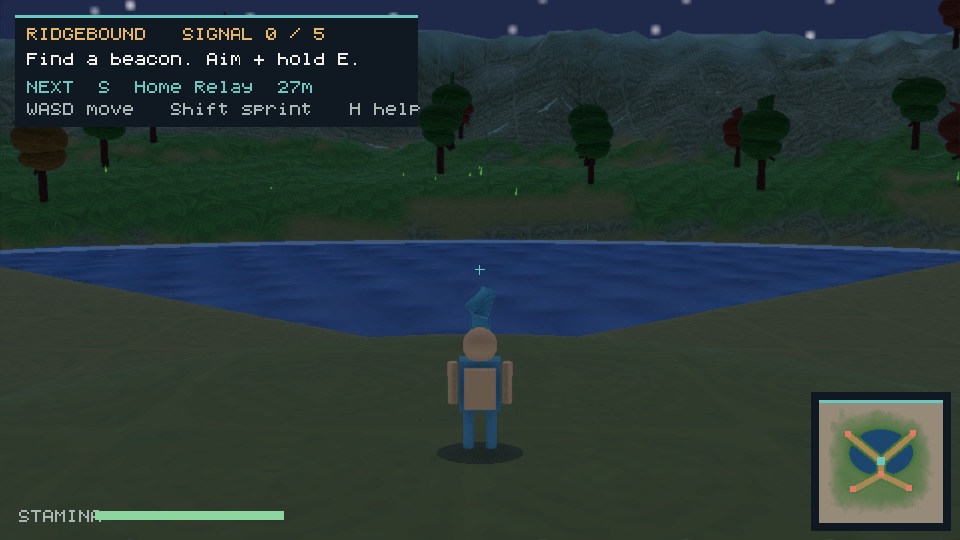
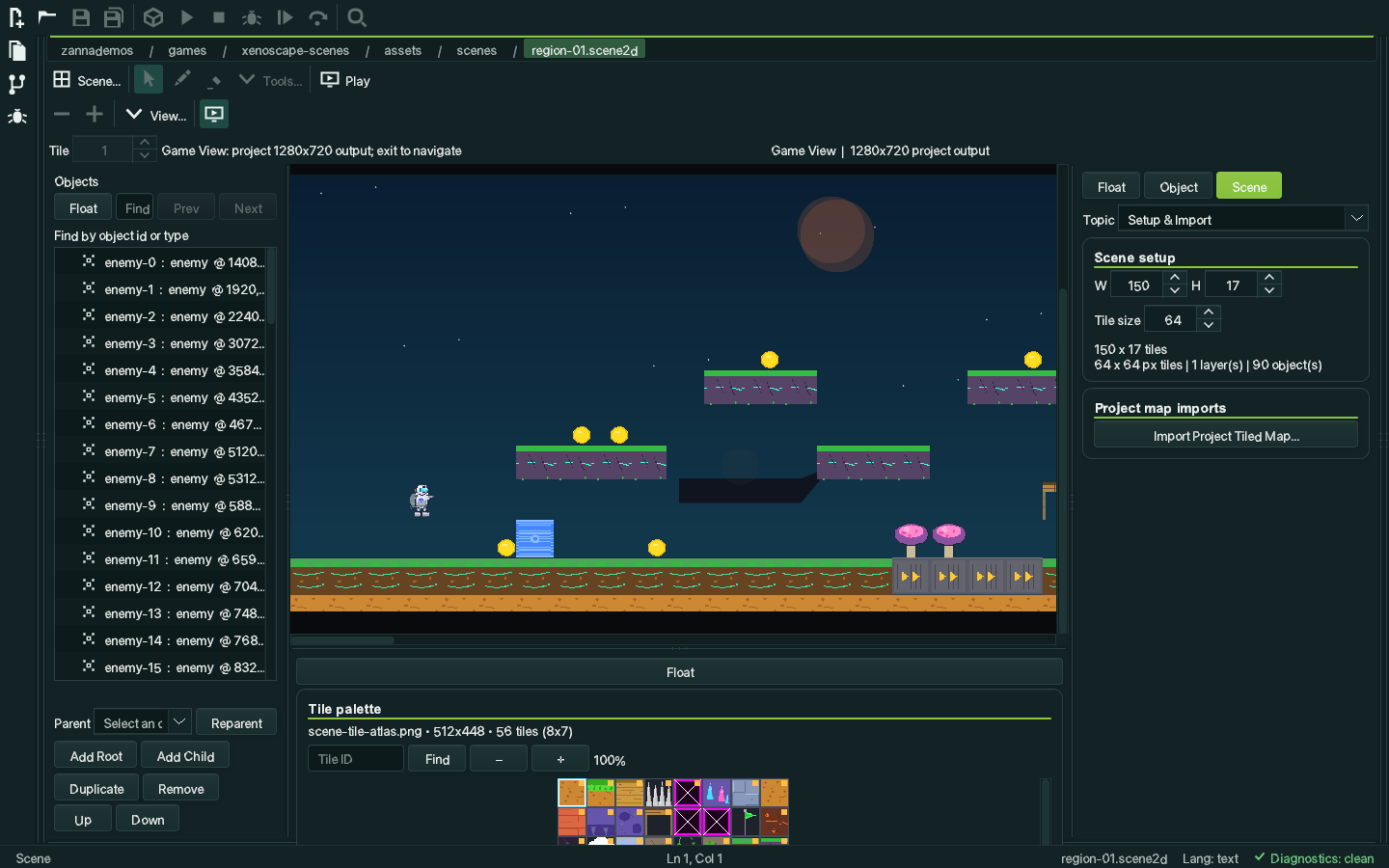
Every image on this page is a frame a real build actually produced. The game shots come from each game’s own capture probe, through Canvas3D.ScreenshotFinal() or Canvas.Screenshot() and out through Pixels.SavePng() — Zanna’s own PNG encoder writing a frame Zanna’s own renderer drew. The Studio shot comes from a production AppShell captured through Zanna.GUI.TestHarness.

Nothing here was taken with a screen grabber, retouched, upscaled, or composited. Where a caption needs to explain what you are looking at — as the XenoScape one does — it says so rather than letting the picture imply something it should not. They are regenerated by one script, and a game whose probe fails does not get a stale screenshot quietly left in its place: the run fails instead.

Some of these games look plain, and that is the honest state of things. They are built by a small team to prove engine features, not to sell themselves, and the art budget went into the parts that had to be tested.